
How We Know What We’re Seeing
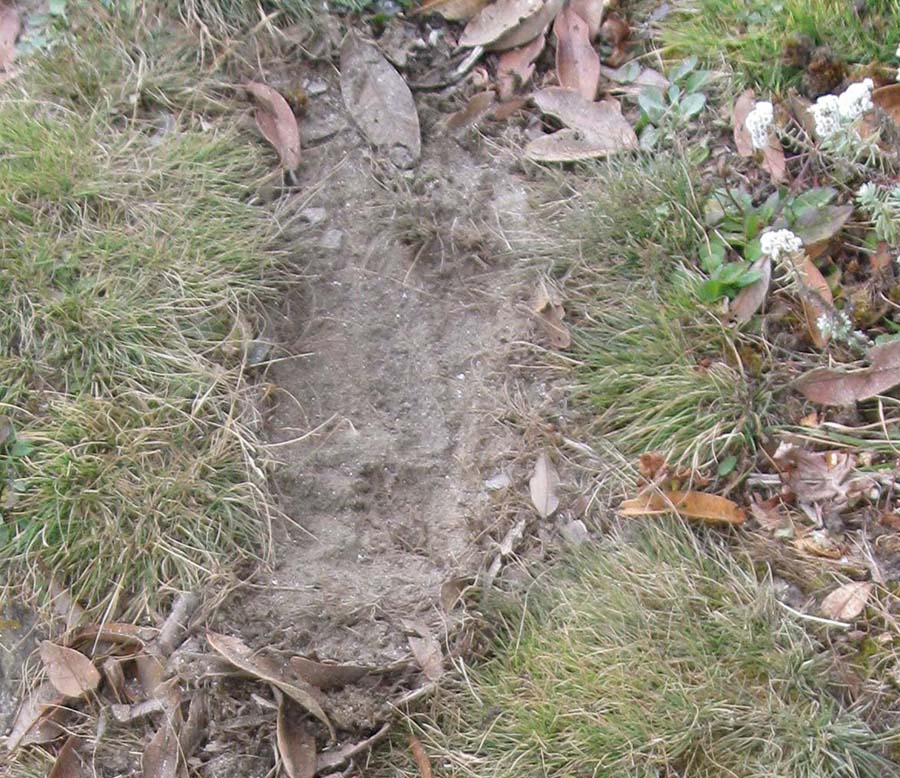
Tracking wildlife in remote mountain forests isn’t always about seeing the animal itself.
More often, it’s about reading the signs they leave behind.
During our fieldwork, we look for clues such as:
• Tracks (called pugmarks)
• Scat
• Scratch marks
• Feeding patterns at kill sites
Each of these tells part of a story.
A single track might not mean much on its own — especially since large leopards and young tigers can leave similar footprints.
But when multiple signs appear together in the same place — and over time — patterns begin to emerge.
We record where these signs are found using GPS coordinates. Mapping these locations helps us understand how predators may be moving through the landscape and whether certain areas are used repeatedly.
We also speak with local residents, many of whom spend far more time in these forests than visiting researchers ever could. Their observations provide valuable context that helps us interpret what we find in the field.
To strengthen our understanding, we are now using Footprint Identification Technology (FIT), which allows us to analyze tracks in greater detail without disturbing the animals themselves.
By combining local knowledge with physical evidence, we build a clearer picture of which predators are present — and how they share space with people.