
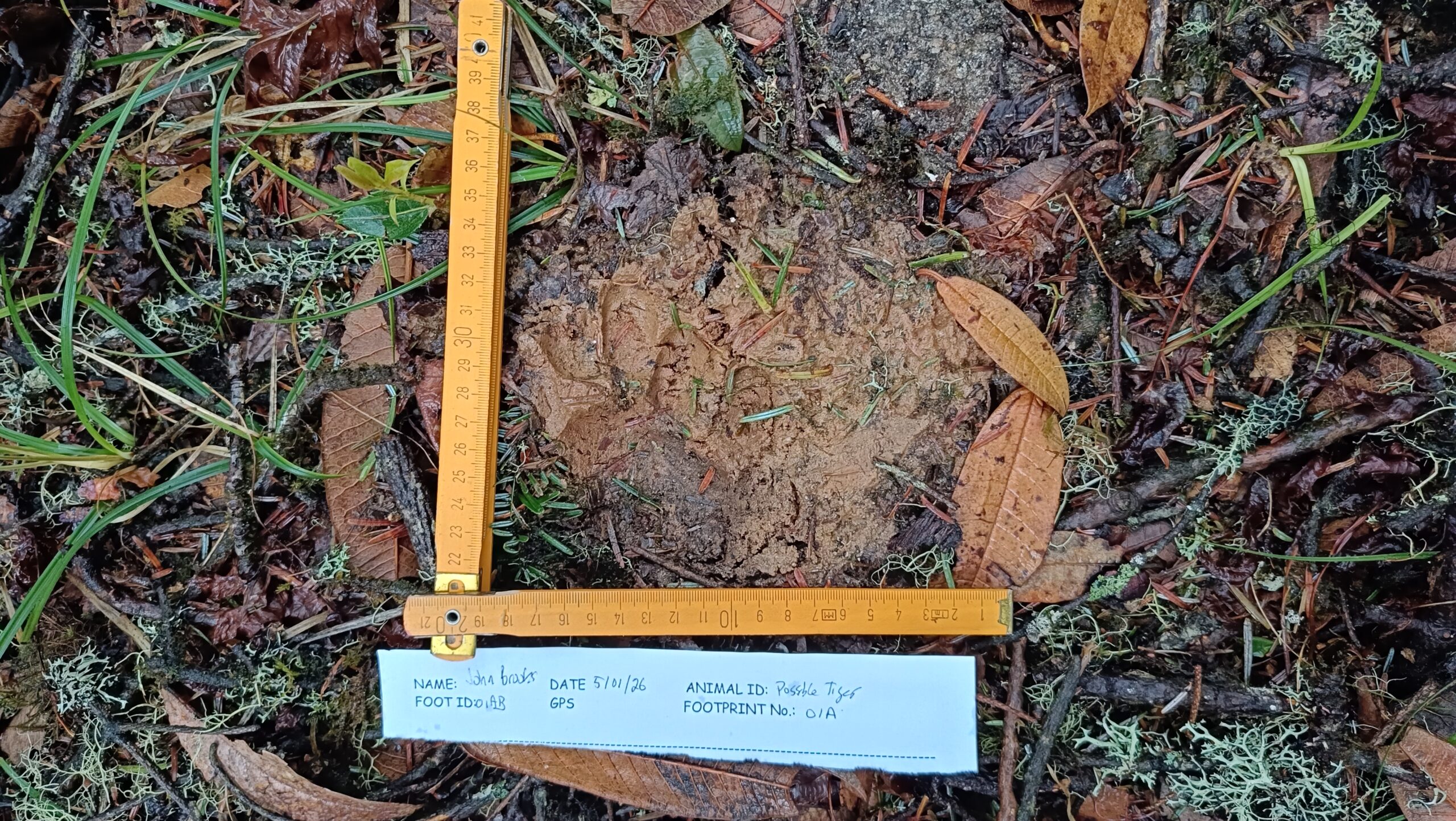
Are There Tigers in the Mountains?
Most people think of tigers as animals of the lowland jungles — tall grass, dense forests, warm plains.
But what if some didn’t get the memo?
In the remote mountains of Nepal’s Okhaldhunga District, villagers have told stories for decades of something powerful moving through the forests at night… something that takes livestock and leaves behind tracks too large to ignore.
We believe a small number of tigers may be living far outside their known range — high in the Himalayas.
To find out, we’re working toward conducting a presence–absence study.
In simple terms: Are they really there?
If confirmed, this would change how we understand where tigers can live — and how we protect them.
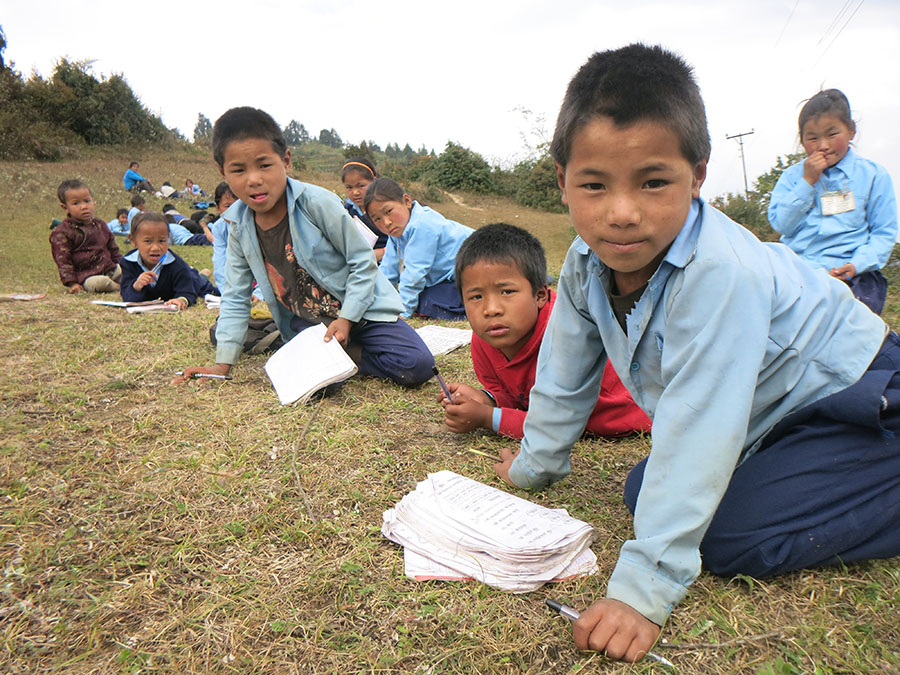
Conservation Begins With People
Wildlife conservation isn’t just about animals.
It’s about neighbors.
People living alongside wildlife face real risks — especially when predators are involved. A single lost cow or goat can mean the difference between stability and hardship.
That’s why we created our Partners in Conservation program.
If a family loses livestock to a large predator, we help compensate them.
Not because it’s charity — but because coexistence works better than retaliation.
When people feel supported, predators don’t have to pay the price.
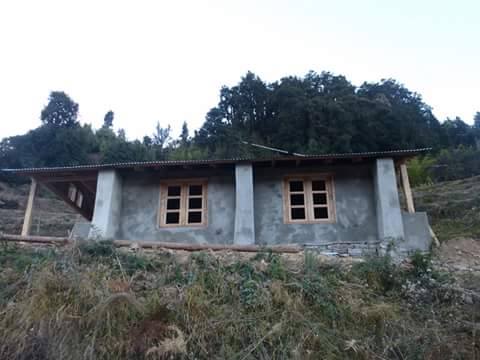
Building Safer Futures
In 2015, Nepal was struck by a devastating earthquake.
We shifted focus immediately — not away from conservation, but toward the people who make conservation possible.
We introduced Earthbag Homes to villages in the region. These homes are:
-
Earthquake resistant
-
Better insulated
-
Built with local materials
Because protecting wildlife starts with protecting communities.
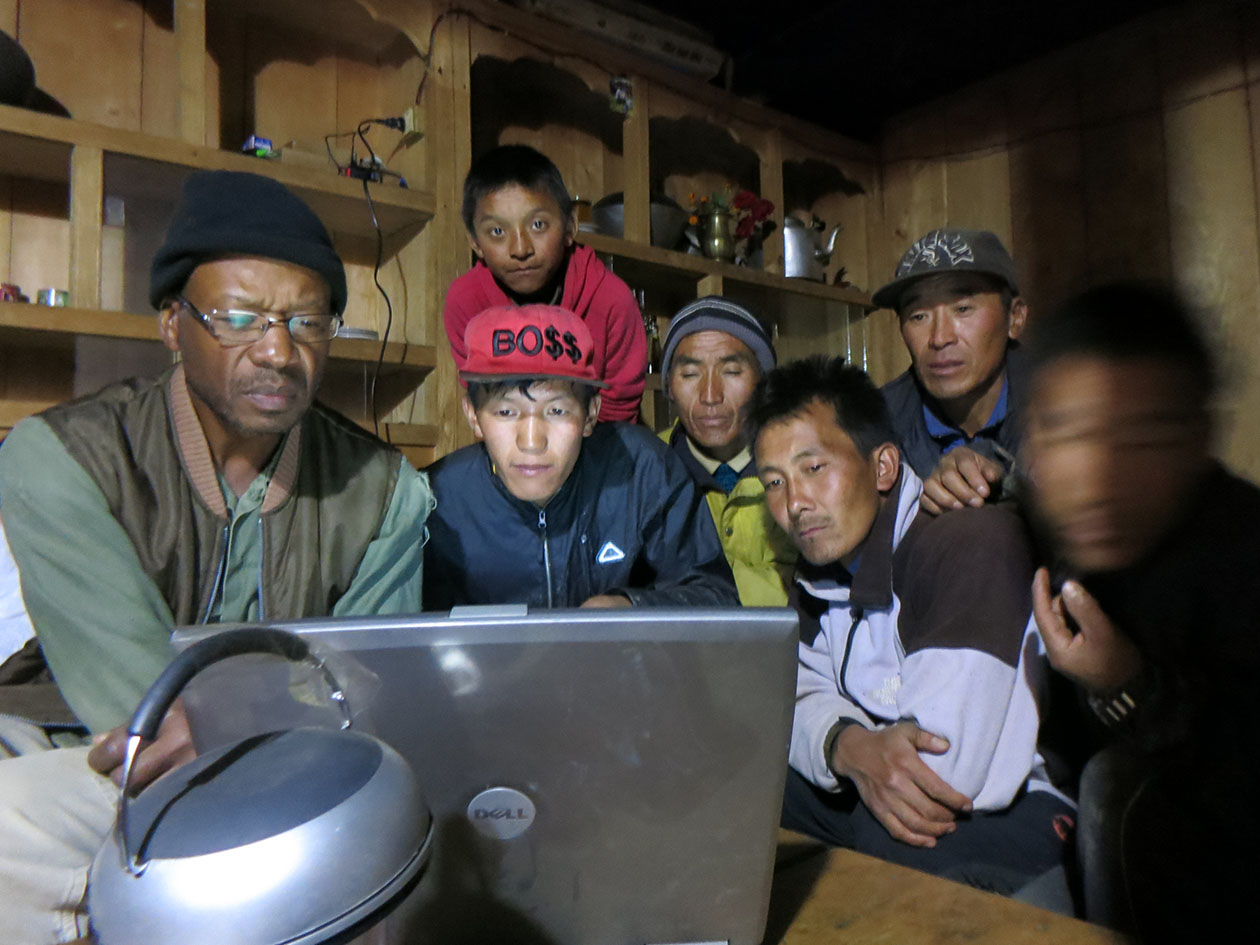
How This Began
On a trek through the Himalayan foothills, filmmaker and former wildlife biologist John Brooks heard something unexpected:
More than one villager described seeing a tiger.
Not in a reserve.
Not in a national park.
But in the mountains.
Major conservation groups were notified — but no one followed up.
So we did.
Since 2012, the Nepal Tiger Project has worked to investigate these claims, almost entirely self-funded. Limited resources — and the challenge of obtaining research permits — have slowed progress, but not stopped it.
So far, leopards and Asiatic black bears have been confirmed.
But the bigger question remains.
What Comes Next?
To answer it, we need to return.
Fieldwork in remote Himalayan terrain is expensive and requires trained Sherpa guides for safe access.
Your support helps fund:
-
Travel to remote study areas
-
Local guides
-
Field documentation
-
Community partnerships
Unlike large organizations, donations to the Nepal Tiger Project go directly into the field.
What Happens If We’re Right?
If tigers are living outside their known range, it would change how we think about conservation.
It would suggest that survival may not depend only on protected parks — but on landscapes where people and wildlife live side by side.
That means:
• Conservation must expand beyond reserve boundaries
• Local communities become essential partners
• Coexistence becomes the goal, not separation
And it would remind us that sometimes, nature finds ways to endure in places we never expected.
What We’re Doing Now
We are preparing to return to Nepal in 2026 to continue field investigations in the Okhaldhunga District.
We hope to combine traditional tracking knowledge with emerging non-invasive tools—such as footprint analysis and other methods we are actively exploring—to better understand which species are moving through these high mountain forests.
Our goal isn’t just to look for tigers.
It’s to understand how wildlife and people are already sharing this landscape — and how that balance can be protected.
Help Us Find the Truth
Are tigers living where no one expected them to be?
With your support, we can find out.

 info@nepaltigers.org
 Humble, Texas