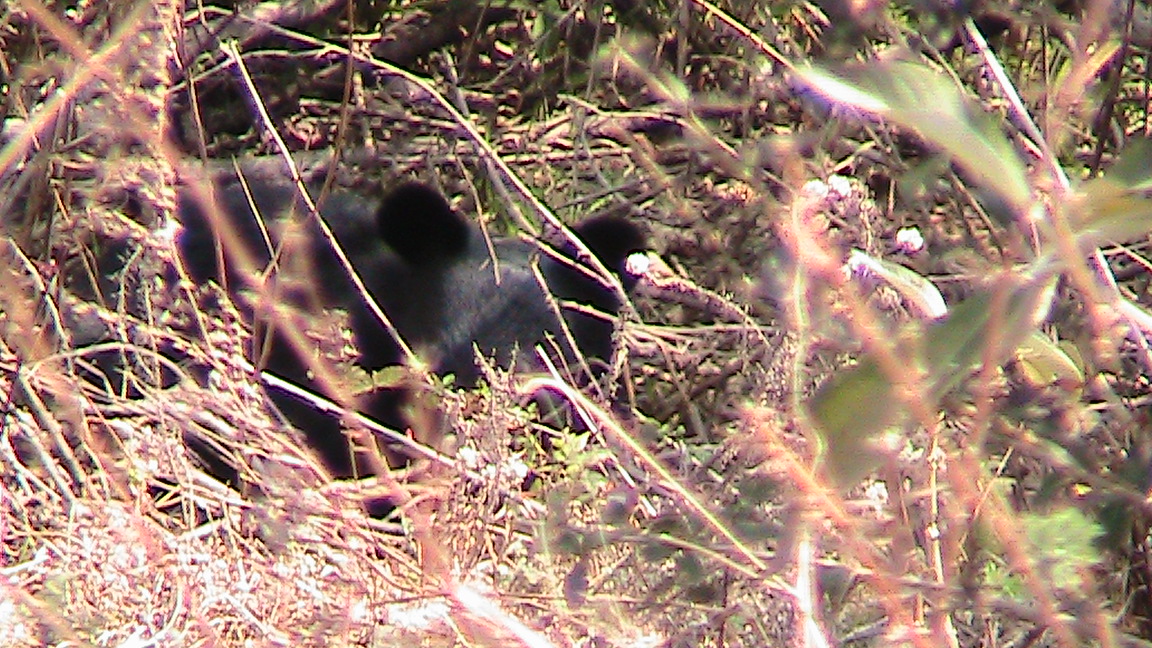
Study Objectives
Our field research is designed to:
-
Document evidence of tiger presence outside the established tiger range.
-
Collect biological data on large carnivores living in the region, including tigers (Panthera tigris), leopards (Panthera pardus), clouded leopards (Neofelis nebulosa), and leopard cats (Prionailurus bengalensis).
-
Assess human‑wildlife interactions and community attitudes toward large carnivores.
-
Develop a community‑based conservation framework that promotes coexistence.
Why This Research Matters
Scientific tiger surveys in Nepal show that tigers are currently confirmed only in lowland protected areas of the Terai, where the species has a known breeding population and a stable prey base. National monitoring programs estimate Nepal’s total tiger population at a few hundred individuals, concentrated in protected reserves.
However, historical accounts from villagers in Okhaldhunga describe sightings and encounters with tigers at elevations much higher than typical tiger habitat, suggesting that isolated populations may persist in mountainous terrain—outside of officially recognized tiger landscapes. Our study seeks to rigorously test these local observations.
Methods Used
The project incorporates multiple lines of evidence to assess tiger presence:
-
Structured interviews with local residents to document traditional ecological knowledge and eyewitness accounts.
-
Photographic identification surveys using standardized lineups of big cat images to validate species recognition.
-
Tracking sign surveys, including measurement of pugmarks (paw prints), scat identification, and monitoring of scratch posts.
-
Remote camera traps, once permits are granted, to capture photographic evidence of carnivores in the field.
-
Footprint Identification Technique (FIT) is used to classify species, individual identity, sex, and age from tracks alone.
These methods are designed to work within logistical constraints and local terrain while yielding rigorous scientific data.
Preliminary Findings
To date, interview data indicate that villagers were generally able to accurately identify tigers and other large carnivores during structured surveys. A limited number of large carnivore tracks and evidence have been recorded in the study area, some of which match measurements consistent with large felids. Anecdotal reports include direct tiger sightings and livestock predation attributed to large cats. However, formal, systematic confirmation using camera trapping and genetic scat analysis remains pending permit approval.
Limitations & Next Steps
Research Permits:
Permit approval from the Government of Nepal is essential for completing camera trapping and biological sample collection. Once obtained, the project will return to Nepal to intensify field data collection.
Funding & Logistics:
Limited funding and the need for trained Sherpa field guides restrict the duration and scope of field seasons. Support for travel, equipment, and trained personnel is critical for successful study implementation.
Your contributions directly support field investigations and help bring vital scientific evidence to light.
What This Could Mean
If evidence confirms that tigers occur outside known range boundaries in central Nepal, it would challenge current understandings of tiger distribution and open new pathways for conservation and coexistence strategies. It would also highlight the importance of involving local communities in conservation science and decision‑making.
Support Our Research
Your donation helps fund:
-
Field equipment and camera traps
-
Local guide support and transportation
-
Analysis of biological samples
-
Community engagement and education programs
Please donate today to help expand our scientific understanding and support coexistence between people and large carnivores.
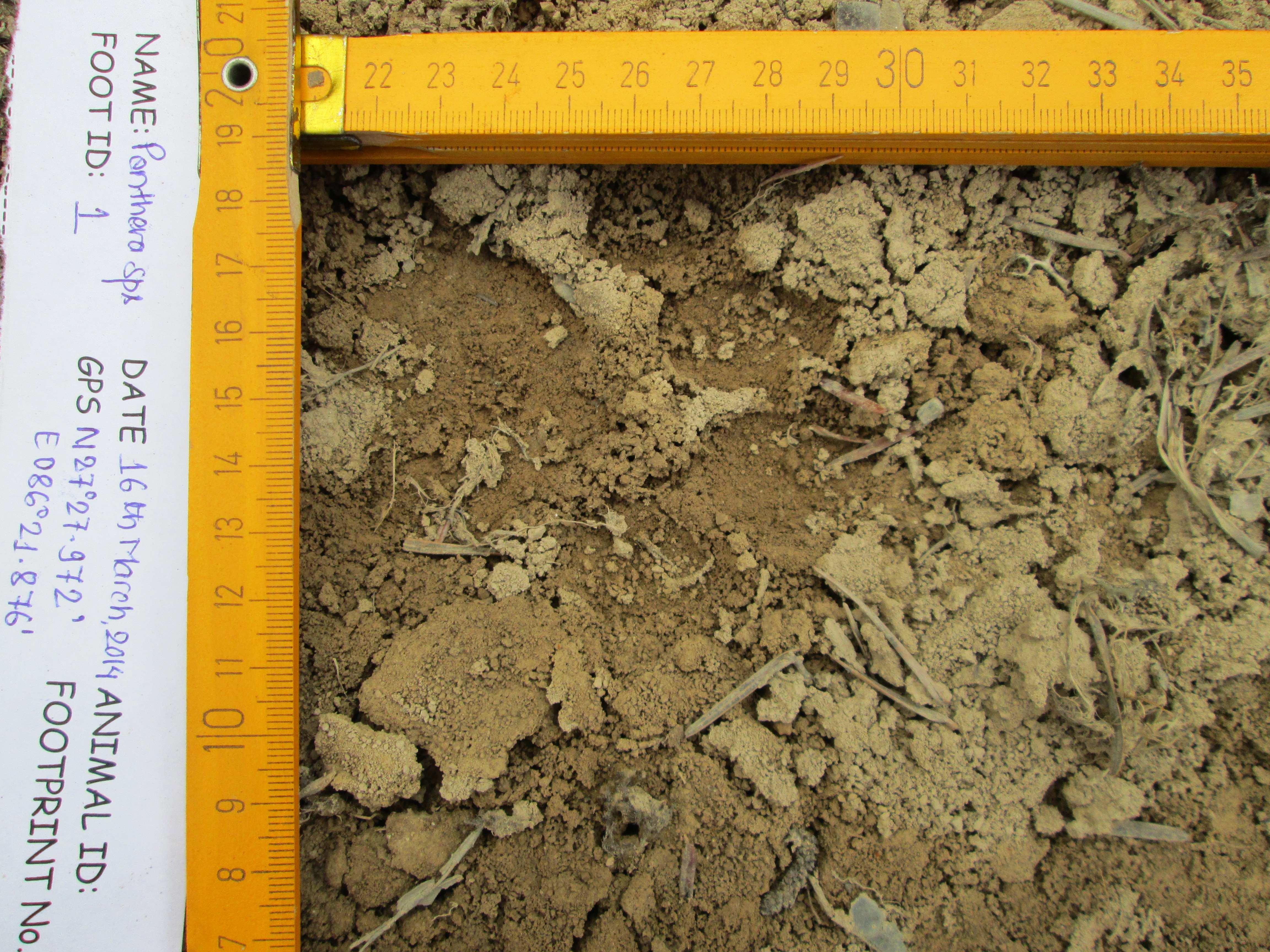
Measuring Prints
When measuring paw prints, or “pugmarks,” some overlap can occur between adult leopards and young tigers. According to a 2005 pugmark guide published by WWF–India:
-
Pugmarks with a PML (pugmark length) of less than 6 cm are likely to belong to smaller cat species.
-
PML measurements between 5–7 cm may belong to leopard cubs.
-
PML measurements between 7–9.5 cm may belong to adult leopards.
-
PML measurements between 7–10 cm may belong to tiger cubs.
-
PML measurements ranging from 9–17 cm are consistent with adult tigers.
Because of this overlap, pugmark measurements must be interpreted carefully and ideally supported by additional lines of evidence.